
1955-57 Chevy Bel Air Brake Parts
The Tri-Five platform gives builders plenty of ways to configure the brakes around the car they want to build. Shop parts for 1955-57 Chevy Bel Air, 210, and 150 models, including stock- and drop-spindle disc conversions, power brake systems, rear disc kits, master cylinders, hydraulic controls, and supporting brake components.




Brake Options for 1955-57 Chevy Tri-Five Cars
A Tri-Five brake build can head in three very different directions. One car may need only front discs, another may combine braking with a lower stance, and a third may move to a full four-wheel disc system.
Spindle choice separates the first two paths. Stock-height configurations preserve the existing stance, while 2-inch drop spindle systems change the front ride height as part of the brake conversion. Wilwood and GM D52 caliper options add further variation at the wheel.
Four-wheel packages extend the project to the rear axle and hydraulic system, with both stock- and drop-spindle combinations represented. A dedicated 12-inch rear disc conversion also supports cars retaining the original rear end.
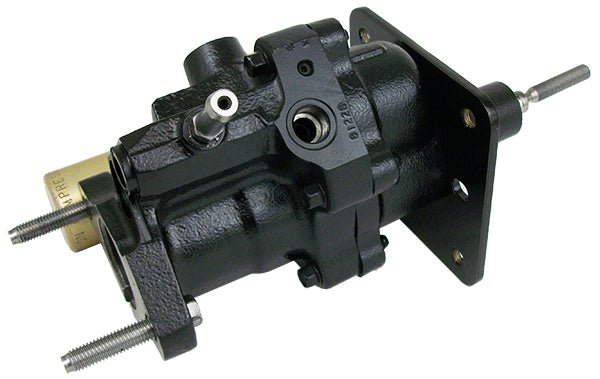
Power boosters, Hydropower systems, master cylinders, proportioning valves, and related hydraulic components complete the other side of the collection, allowing anything from a traditional Bel Air restoration to a lowered 210 or modified 150 to follow its own braking path.
FAQ
How do I choose the right brake parts for my 1955-57 Chevy Bel Air, 210, or 150?
Start with the exact year and identify the components currently installed. Check whether the car has stock or drop spindles, front drums or discs, the original or a replacement rear end, manual or power brakes, and the current wheel setup. Previous modifications matter because a Tri-Five that has already been changed may require parts based on its current configuration rather than factory specifications.
Should I choose a stock-spindle or drop-spindle disc brake conversion?
That depends partly on the stance you want. A compatible stock-spindle setup can add front disc brakes without using a drop spindle, while POL's dedicated 1955-57 conversion with 2-inch drop spindles combines the brake conversion with a lower front ride height. Wheel clearance, suspension configuration, steering geometry, and other front-end components should also be checked before deciding.
Can I convert my Tri-Five Chevy to four-wheel disc brakes?
Yes. POL lists several front and rear brake options for these cars, including complete four-wheel power disc packages. One system combines 2-inch drop spindles with an 8-inch single-diaphragm booster, while another front-and-rear package uses stock spindles. Individual rear conversions are also available when the front brakes have already been addressed.
Can I add rear disc brakes while keeping the original rear end?
Yes, when the rear end matches the specific conversion requirements. The collection includes a 1955-57 Bel Air rear disc brake conversion designed for the OEM rear end and using 12-inch rotors. Confirm the axle configuration, bolt pattern, offset, parking brake requirements, and wheel clearance before ordering.
What power brake options are available for a 1955-57 Chevy?
The collection includes a dedicated 1955-57 Chevy power brake booster kit along with other configurations such as a chrome booster paired with a Wilwood master cylinder. Hydropower hydraulic brake-assist components are represented as well. Your brake configuration, available engine vacuum, master cylinder requirements, firewall clearance, and power-steering setup can help determine which type of assistance is appropriate.
Which master cylinder should I use with a Tri-Five disc brake conversion?
Match the master cylinder to the brakes installed at both axles and whether the system is manual or power assisted. The collection includes a 1-inch bore GM Corvette-style disc brake master cylinder, aluminum hybrid packages, Wilwood tandem master cylinders, and master cylinder/proportioning valve combinations. Bore size, pedal ratio, booster configuration, and disc/drum versus disc/disc layout should all be considered.
What else should I check before ordering a Tri-Five brake conversion?
Confirm spindle type, desired ride height, front and rear brakes, rear-end configuration, wheel bolt pattern, wheel and caliper clearance, master cylinder, proportioning setup, and manual or power assist. Also check exactly what the selected conversion includes. With the collection ranging from individual hydraulic parts to complete four-wheel packages, the additional components required can vary considerably between products.