
Shocks and Coilovers
Shop shocks and coilovers for classic cars and trucks, from replacement-style shock absorbers and adjustable shocks to complete coilover conversions and suspension packages. Find vehicle-specific options for Chevy, GMC, Ford, Pontiac, Mopar, and other classic applications.






Shocks and Coilovers for Different Suspension Goals
A shock absorber controls movement; a coilover can change the suspension's structure. That distinction separates much of this collection into projects that retain the existing spring setup and builds that combine spring and damping functions.
Conventional shocks cover everything from Nitro Slammer and Western DS2 applications for Chevy/GMC trucks to gas shocks for Ford trucks and other classic vehicles. Adjustable versions take the same basic architecture further, including three-way Bel Air shocks, nine-way Mopar drag shocks, and dedicated drag setups for classic Chevy and GMC trucks.
Coilovers move beyond damper replacement by adding spring-rate and ride-height tuning directly at the shock assembly. Rear conversions for C10 and GM A-Body applications and front systems for Camaro and Nova represent that transition.
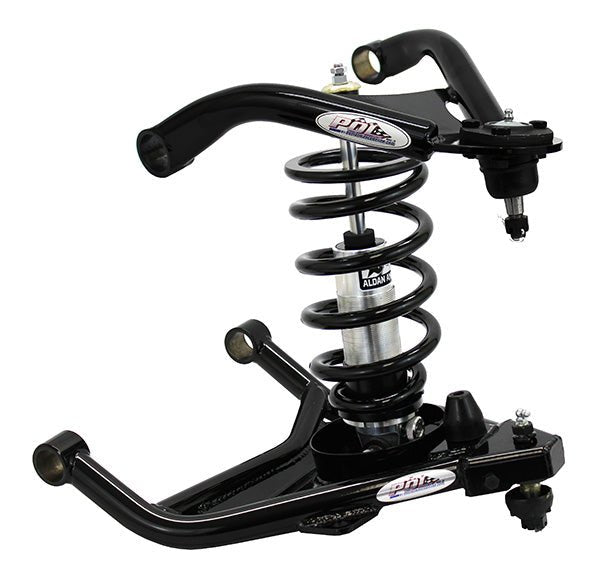
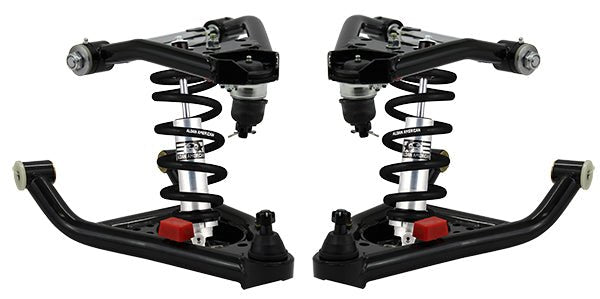
At the far end of the collection, Stage 3+ packages combine coilovers with tubular control arms and other suspension hardware, turning the shock choice into part of a much broader front-end upgrade rather than an isolated replacement.
FAQ
What is the difference between shocks and coilovers?
A conventional shock absorber controls suspension movement while working with a separate spring. A coilover combines a coil spring with the shock or damper as an assembly. Which design is appropriate depends on the vehicle's suspension and whether you are servicing the existing layout or installing a coilover-based system.
How do I choose the right shocks for my classic car or truck?
Start with the exact year, make, and model, then determine whether you need front or rear shocks. Check the current suspension, ride height, shock mounting arrangement, and any modifications. POL carries vehicle-specific shock absorbers in several designs, so fitment should be confirmed from the individual product rather than shock length or appearance alone.
Are adjustable shocks available?
Yes. The collection includes adjustable products for several applications, such as three-way adjustable shocks for 1955-57 Chevy Belair and nine-way adjustable rear drag shocks for 1963-74 Mopar A-, B-, and E-Body cars. Adjustment options vary by product and application.
Can I convert my existing suspension to coilovers?
For compatible vehicles, yes. POL lists dedicated coilover conversions including a 1963-72 C10 rear system, 1964-72 GM A-Body rear conversion, and 1967-69 Camaro/1968-74 Nova front conversion. Because a conversion changes more than the shock itself, check mounting requirements and the surrounding suspension before ordering.
Can coilovers be used to adjust ride height?
Some coilover systems provide ride-height adjustment. For example, POL's 1964-72 GM A-Body rear coilover conversion is specifically described as ride-height adjustable, with up to two inches of adjustment. The available range depends on the individual system, so it should not be assumed that every coilover product offers the same adjustment.
Does POL sell complete coilover suspension packages?
Yes. In addition to individual shocks and conversions, the collection contains Stage 3+ tubular control arm and coilover suspension packages for applications including Corvette, Chevelle, Camaro, Nova, Impala, and Chevy/GMC C10 trucks. These packages address more of the suspension than a standalone shock or coilover conversion.
What should I check before ordering shocks or coilovers for a modified vehicle?
Confirm the current suspension design, front or rear application, spring arrangement, ride height, control arms, shock mounting points, and any previous suspension changes. Lowering, tubular control arms, altered shock mounts, or an existing coilover conversion can all change which product is appropriate.