
Power Brake Boosters
Upgrade your classic with power brake booster kits designed around the vehicle and braking system. Explore vehicle-specific vacuum and hydraulic systems with firewall and underfloor mounting options, different brake configurations, and POL or Wilwood master cylinder packages.
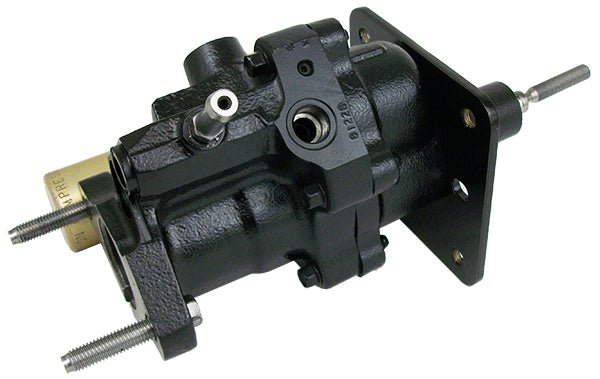


Power Brake Booster Options for Classic Vehicles
Power brake booster systems for classic cars and trucks vary by mounting location, brake configuration, engine clearance, and master cylinder setup.
POL offers firewall-mounted and underfloor systems for a range of Chevy, GMC, Ford, and other classic applications. Depending on the vehicle, kits may retain factory mounting locations, adapt older master cylinder arrangements, or provide additional clearance for engine and valve cover combinations.
Configurations are available for drum brakes, front-disc/rear-drum systems, and four-wheel-disc setups. Kits can include the booster, brackets, master cylinder, proportioning valve, pedal components, lines, and installation hardware.
The collection also includes LS-swap systems, BlackOut and chrome packages, Wilwood master cylinder options, and Hydropower setups that use hydraulic pressure instead of engine vacuum.
FAQ
How do I choose the right power brake booster kit for my vehicle?
Start with the vehicle year, make, and model, then confirm the brake configuration currently installed. Check whether the master cylinder mounts on the firewall or under the floor, how the booster connects to the pedal, available engine clearance, and whether you have drum, disc/drum, or four-wheel-disc brakes. Modified vehicles may require additional considerations, so choose according to the components currently installed rather than factory specifications alone.
What is included in a power brake booster kit?
Contents vary by product. Depending on the application, a kit may include the power brake booster, mounting brackets, master cylinder, proportioning valve, valve bracket, pre-bent lines, pushrod or pedal components, and installation hardware. Some products provide choices between POL and Wilwood master cylinders. Always check the individual product page for the exact contents before ordering.
Can a power brake booster kit convert manual brakes to power brakes?
Many kits in this collection are designed for manual-to-power brake conversions. Vehicle-specific brackets position the booster and master cylinder, while the pushrod or pedal connection allows the assembly to work with the vehicle's pedal system. Requirements vary by application, so confirm that the specific product supports a manual-to-power conversion for your vehicle.
How do I know whether I need a disc/drum or four-wheel-disc booster kit?
Identify the brakes currently installed at both axles. A vehicle with front discs and rear drums requires hydraulic components configured differently from a vehicle with discs at all four wheels. The booster itself is only one part of the system. Master cylinder and proportioning-valve selection must also match the brake layout, so choose the appropriate brake configuration offered on the individual product page.
Should I choose a firewall-mounted or underfloor power brake booster kit?
Choose according to your vehicle's master cylinder and pedal arrangement as well as available space. Firewall-mounted kits position the booster and master cylinder in the engine compartment and are available for many classic car and truck applications. Underfloor systems can suit vehicles originally designed around a frame-mounted master cylinder. Some conversion kits relocate an older underfloor arrangement to the firewall, so check how the specific kit is designed to mount.
Do I need a different power brake booster kit for an LS engine swap?
It depends on the vehicle and available clearance. An LS swap can change the amount of room around the firewall, engine, and valve covers. This collection includes application-specific LS-swap booster kits designed to address those clearance requirements while retaining compatible firewall and pedal mounting. For example, the 1967-72 Chevy/GMC truck LS configuration uses the original firewall mounting studs and factory pedal assembly.
What is the difference between a vacuum booster kit and a Hydropower brake kit?
A conventional power brake booster uses engine vacuum to provide brake assist, while a Hydropower system uses hydraulic pressure from the power-steering system. Vacuum systems suit many stock and mildly modified vehicles, while Hydropower can be useful when a modified engine produces limited vacuum or the build is better suited to hydraulic assistance. Both types are represented in this collection, so engine vacuum, power-steering configuration, available space, and the complete brake setup should guide the choice.